
Understanding the Foundations of a Successful Basement Transformation in 2026
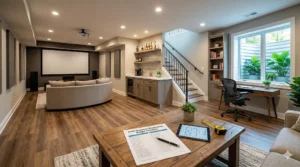
When you decide to reclaim the underutilized square footage beneath your home, you are embarking on one of the most significant property investments possible. A basement remodel is not merely a cosmetic update, it is a complex structural evolution that requires a deep understanding of architectural integrity, moisture management, and local building codes.
The key to a successful project lies in the planning phase, specifically in how you categorize and allocate your resources. For homeowners working with a general contractor, transparency regarding the scope of work is essential to prevent common pitfalls that often derail renovation timelines.
As we look toward 2026, the landscape of home improvement has shifted towards smarter, more sustainable materials and highly efficient labor practices. This guide serves as your comprehensive roadmap, breaking down the essential components of a basement renovation without focusing on fluctuating currency figures, but rather on the logical distribution of effort and materials.
The Strategic Importance of Pre-Construction Assessments
Before a single hammer swings, a professional evaluation of the existing site is mandatory. This phase identifies potential hurdles such as hydrostatic pressure, foundation cracks, or inadequate ceiling heights that could influence the entire project trajectory.
Ignoring these subterranean variables can lead to catastrophic failures post-completion. A thorough site inspection by an experienced team ensures that the structural envelope is sound, dry, and ready to support the new living environment you envision for your family.
Investing time in this diagnostic stage allows for a “query fun-out” approach, where every potential technical question is answered before construction begins. This level of topical authority in planning differentiates a standard basement finish from a premium, high-end living space.
Critical Infrastructure and Moisture Mitigation Strategies
The most vital aspect of any basement project is water management. Since basements are inherently prone to dampness due to their location below the water table, your budget checklist must prioritize waterproofing systems and vapor barriers.
A dry basement is the only foundation upon which luxury finishes can survive. This involves checking the exterior drainage, ensuring the sump pump is modern and has a battery backup, and applying high-grade sealants to the masonry walls.
In 2026, we see a surge in the use of inorganic building materials that do not support mold growth. This proactive selection of moisture-resistant drywall and steel framing over traditional wood can significantly extend the lifespan of your renovation.
HVAC, Plumbing, and Electrical Integration
Integrating modern climate control into a basement requires more than just adding a few vents. A realistic cost breakdown must account for the load calculations needed to determine if your existing furnace or AC unit can handle the additional volume.
Plumbing is another area where complexity defines the scope. If you are adding a bathroom or a wet bar, the proximity to the main sewer line and the need for a macerating pump or a sewage ejector pit will be primary factors in your logistical planning.
Electrical upgrades are equally critical. From dedicated circuits for a home theater to the installation of energy-efficient LED recessed lighting, the electrical plan must be robust enough to handle the technological demands of a modern 2026 household.
Material Selection and the Hierarchy of Finishes
Once the “bones” of the basement are secure, the focus shifts to the tactile elements that define the aesthetic. Material selection is where the quality of craftsmanship becomes most visible to the naked eye.
Flooring choices in basements have evolved significantly. Luxury Vinyl Plank (LVP) and engineered tile are the gold standards for 2026, offering the warmth of wood or stone with the water resistance necessary for subterranean environments.
Cabinetry and built-ins for storage or entertainment centers should be designed with both form and function in mind. Custom millwork adds a layer of sophistication that increases the overall market value of the home, providing a high return on investment.
Egress Windows and Natural Light Optimization
Natural light is the enemy of the “cave-like” feel often associated with basements. Installing egress windows is not only a legal safety requirement for bedrooms but also a strategic design move to brighten the space.
The excavation for an egress window well and the structural modification of the foundation wall are specialized tasks. These should be handled by a qualified general contractor to ensure the structural load of the house remains balanced and the window remains watertight.
By maximizing natural light, you transform the basement from a secondary storage area into a primary living zone. This transition is essential for achieving topic authority in residential design and creating a space that feels seamless with the rest of the home.
Operational Logistics and Project Management
The success of a basement remodeling project is often determined by the efficiency of the project management. This includes the coordination of various trades, the timely delivery of materials, and the strict adherence to the construction schedule.
Working with a centralized team like NJ Construction Services streamlines this process. Instead of managing multiple subcontractors, homeowners benefit from a single point of contact who oversees the entire lifecycle of the renovation.
Effective communication and a clear scope of work document are the tools that keep a project on track. In 2026, digital project tracking and transparent reporting have become the industry standard for high-level residential contracting.
Permitting and Code Compliance in 2026
Navigating the local building department can be one of the most daunting parts of a remodel. However, securing the correct building permits is non-negotiable for ensuring the safety and legality of your work.
Codes regarding ceiling heights, stairwell dimensions, and fire-blocking are updated regularly. A professional contractor stays abreast of these changes, ensuring that your basement finish meets or exceeds all current safety standards.
Passing inspections at various stages—framing, rough-in, and final—provides peace of mind that the investment is protected. This adherence to industry best practices is a core component of the trust and authority required in the construction sector.
Conclusion and Future-Proofing Your Investment
A realistic approach to a basement budget involves understanding that quality and longevity are the most important metrics. By focusing on structural integrity, moisture control, and high-quality materials, you create a space that will serve your family for decades. As we move through 2026, the trend is toward multi-functional spaces that can adapt to changing needs—whether it’s a home office, a gym, or an ADU (Accessory Dwelling Unit).
To maximize your investment and ensure long-term value, keep these core principles in mind:
Structural Priority: Always allocate budget for waterproofing and foundation checks before spending on high-end finishes.
Flexibility in Design: Plan for extra electrical circuits and plumbing rough-ins to allow the space to evolve over time.
Professional Oversight: Partnering with an expert team is the most effective way to turn your vision into a reality while avoiding costly compliance mistakes.
Ready to transform your basement into a masterpiece of design and functionality? Contact us today to schedule your professional consultation and start building your dream space, or call us directly at: (978) 780-2533
Find a Trusted Basement Remodeling Contractor Near You
When planning your budget, working with a local team that understands the specific soil conditions, drainage patterns, and permit requirements of your area can make a significant difference in the final cost. NJ Construction Services provides expert basement remodeling across multiple cities, delivering tailored solutions based on each property’s unique structural needs.
If you are located in one of the areas below, explore our dedicated service pages to learn more about how we can help with your project:
- Basement Remodeling in Arlington, MA
- Basement Remodeling in Watertown, MA
- Basement Remodeling in Lexington, MA
- Basement Remodeling in Hollis, NH
- Basement Remodeling in Amherst, NH
- Basement Remodeling in Brookline, MA
- Basement Remodeling in Medford, MA
- Basement Remodeling in Pelham, NH
- Basement Remodeling in Belmont, MA
- Basement Remodeling in Bedford, NH
- Basement Remodeling in Derry, NH
- Basement Remodeling in Boston, MA
- Basement Remodeling in Worcester, MA
- Basement Remodeling in Bow, NH
- Basement Remodeling in Cambridge, MA
- Basement Remodeling in Canterbury, NH
- Basement Remodeling in Fitchburg, MA
- Basement Remodeling in Hooksett, NH
- Basement Remodeling in Hopkinton, NH
- Basement Remodeling in Hudson, MA
- Basement Remodeling in Leominster, MA
- Basement Remodeling in Londonderry, NH
- Basement Remodeling in Malden, MA
- Basement Remodeling in Manchester, NH
- Basement Remodeling in Marlborough, MA
- Basement Remodeling in Melrose, MA
- Basement Remodeling in Merrimack, NH
- Basement Remodeling in Nashua, NH
- Basement Remodeling in Newton, MA
- Basement Remodeling in Pembroke, NH
- Basement Remodeling in Salem, NH
- Basement Remodeling in Shrewsbury, MA
- Basement Remodeling in Somerville, MA
- Basement Remodeling in Waltham, MA
- Basement Remodeling in Weare, NH
- Basement Remodeling in Windham, NH